

What Is Dehydration?
Dehydration occurs when the amount of fluid lost by the body exceeds the amount of fluid consumed. The body relies on water to carry out all its functions, including circulating blood, regulating body temperature, supporting the digestive process, and enabling the organs to function at their optimal levels. When the body loses too much fluid, it will not be able to perform at a healthy level, which can lead to mild initial discomfort and serious damage to the functioning of the body's organs and the recovery process over the time if being neglected.
At Health Call, we consider dehydration one of the components of our comprehensive clinical assessment of each patient. We evaluate dehydration status along with medical history, lifestyle factors, and potential underlying causes to ensure that our patients receive care that promotes immune function and optimal metabolic function. As part of our holistic approach to wellness, we offer IV Therapy to support hydration and nutrient replenishment.
Common Dehydration Symptoms
Many people dismiss early symptoms of dehydration and believe that they are simply experiencing fatigue. They may believe that they need to rest. In fact, the body may require more fluids.
Dehydration symptoms include:
- A dry mouth and cracked lips
- An increased sense of thirst
- Dark-colored urine
- Reduced urination
- Headaches
- Fatigue
- Dizziness or lightheadedness
- Dry skin
- Muscle cramping
- Fast heartbeat
At Health Call, physicians carefully assess the symptoms of dehydration and determine whether the symptoms are related to losing excess fluids or whether they are related to an imbalance within the body. Physicians use this information to assist with developing a plan to address the patient's hydration needs safely and effectively.
Alcohol Dehydration Symptoms
Drinking too much alcohol can accelerate the rate of fluid loss. It also limits the body's ability to retain water. Drinking large quantities of alcohol results in symptoms of alcohol dehydration.
Symptoms of alcohol dehydration may include:
- Severe headache
- A dry mouth
- Extremely thirsty
- Fatigue
- Nausea
- Dizziness
- Lack of focus
Alcohol negatively impacts the kidneys. The kidneys produce more urine and therefore cause a faster rate of fluid loss.
Many people wake up feeling ill after consuming large amounts of alcohol. They may experience symptoms of dehydration, but do not recognize the cause.
Recurring episodes of alcohol dehydration may impact metabolic equilibrium. They may slow the recovery process. They may place additional stress on the liver and cardiovascular systems.
Physicians at Health Call evaluate the quantity of alcohol that a patient consumes, the hydration status of the patient, and the electrolyte levels of the patient.
Based upon these evaluations, the physician determines if IV hydration therapy is indicated and provides treatment according to FDA approved clinical standards. All treatments provided at Health Call are given in a clinical environment under medical supervision. Therefore, patients can expect prompt relief and an enhanced opportunity for recovery when they undergo IV hydration therapy for dehydration caused by alcohol consumption.
Causes of Dehydration
There are multiple causes of dehydration. Dehydration may occur due to:
- Not consuming sufficient fluids: Some people do not consume enough water throughout the day. Their busy lifestyles may prevent them from doing so.
- Excessive sweating: Sweating may occur while exercising, being exposed to heat, or suffering from a fever.
- Gastrointestinal disease: Illnesses, such as vomiting and diarrhea, can cause rapid fluid loss.
- Consuming too much alcohol: Alcohol increases the production of urine and the loss of fluid.
- Underlying medical conditions: Some conditions can cause fluid loss and/or affect the body's ability to absorb fluid.
- Prescription medications: Certain prescription medications, especially diuretic medications, increase the frequency of urination.
- Air travel and jet lag: Travel by air may decrease a person's hydration status. The cabin air of airplanes is dry and contributes to dehydration.
Physicians at Health Call assess the underlying cause(s) of a patient's dehydration and review the medical history of the patient as well as their lifestyle habits. They then evaluate physical symptoms. This systematic approach assists in providing a rapid response and better recovery.
How Dehydration Is Diagnosed
Physicians diagnose dehydration by conducting a clinical assessment of the patient's symptoms and evaluating physical characteristics. Laboratory tests may be ordered when deemed necessary.
At Health Call, the diagnostic process for dehydration involves:
- Review of the patient's medical history: Physicians inquire about the patient's recent illness, alcohol consumption, the patient's current physical activity, recent travel, and the patient's current medication regimen.
- Physical examination: Physicians evaluate the patient's blood pressure, pulse rate, and skin turgor. Physicians evaluate the patient's cognitive abilities.
- Evaluation of the patient's urine: Physicians assess the color and frequency of the patient's urine. Both assessments provide valuable information regarding the patient's hydration status.
- Blood testing (when required): Blood testing evaluates the patient's electrolyte levels and kidney function.
By implementing a thorough and systematic evaluation, physicians at Health Call can accurately diagnose the presence of dehydration. This approach minimizes the risk of unnecessary treatment and maximizes the patient's safety during the recovery process.
Physicians at Health Call evaluate whether the patient's symptoms indicate mild fluid loss or a deeper imbalance. This enables them to recommend suitable hydration strategies. Physicians at Health Call operate under FDA approved protocols. Patients benefit from having medical supervision and scheduled follow-ups.
With a 4.9-star rating from Google reviews, Health Call has earned the respect of its patients through consistent quality care.
How to Prevent Dehydration
Prevention is easy if recognized early. Here are ways to prevent dehydration:
- Consume water throughout the day: Do not wait until you feel thirsty to consume water. Divide your daily water consumption evenly throughout the day.
- Increase fluid intake in hot or physically demanding environments: Increased sweat loss occurs in hot or physically demanding environments. Replace lost fluids regularly.
- Reduce alcohol consumption: Replace your alcohol with water to minimize dehydration symptoms associated with excessive alcohol consumption.
- Replace fluids when ill: Active hydration is recommended when experiencing gastrointestinal illness.
- Evaluate urine color: Most often, if a person's urine is light yellow, they are hydrated sufficiently.
- Consume hydrating foods: Eating fruits and vegetables can help maintain hydration.
- Obtain medical consultation if dehydration symptoms continue: Do not overlook persistent dehydration symptoms.
In addition to treating dehydration, Health Call offers patients who experience recurring episodes of dehydration or chronic low hydration a structured assessment and hydration support program. Physicians evaluate the patient's fluid requirements based on the patient's weight, level of activity, and medical history. If necessary, physicians may prescribe an oral hydration plan or medically-supervised IV hydration therapy.
All treatments provided at Health Call involving IV hydration therapy are administered in a clinical setting with a physician present and follow FDA approved clinical standards. This ensures that patients recover promptly and achieve a state of optimal metabolic balance. Additionally, physicians at Health Call educate patients on how to maintain a balanced fluid status long-term.
Conclusion
Mild dehydration symptoms can develop gradually. Dehydration symptoms may include dry mouth, fatigue, headaches, and dark urine. These dehydration symptoms should not be ignored. Dehydration symptoms caused by alcohol may occur frequently; however, they are commonly overlooked. Repeated episodes of fluid loss may impair metabolic equilibrium and immune function.
Early identification of the body's dehydration symptoms can help a patient respond more quickly and recover more safely. Physicians at Health Call provide a systematic and individualized method of assessing and addressing the hydration needs of their patients. Physicians at Health Call assess the patient's hydration status thoroughly. Physicians at Health Call identify the root causes of the patient's dehydration symptoms. Physicians at Health Call use this information to create a safe and effective plan to restore the patient's hydration status according to FDA approved standards.
Recent Posts
-

Which Doctor Should You See for an STD? A Complete Guide to Confidential STD Testing in Dubai
Talking about sexual health isn't always easy, but getting the right medical advice should be. If you've noticed unusual symptoms, recently had unprotected sex, or simply want peace of mind, you may be wondering, "Which doctor should I see for an STD?”
August 17, 2026 -

How to Know If You’re Dehydrated: Signs You Shouldn’t Ignore
Dehydration occurs when the amount of fluid lost by the body exceeds the amount of fluid consumed. The body relies on water to carry out all its functions, including circulating blood, regulating body temperature, supporting the digestive process, and enabling the organs to function at their optimal levels. When the body loses too much fluid, it will not be able to perform at a healthy level, which can lead to mild initial discomfort and serious damage to the functioning of the body's organs and the recovery process over the time if being neglected.
June 17, 2026 -
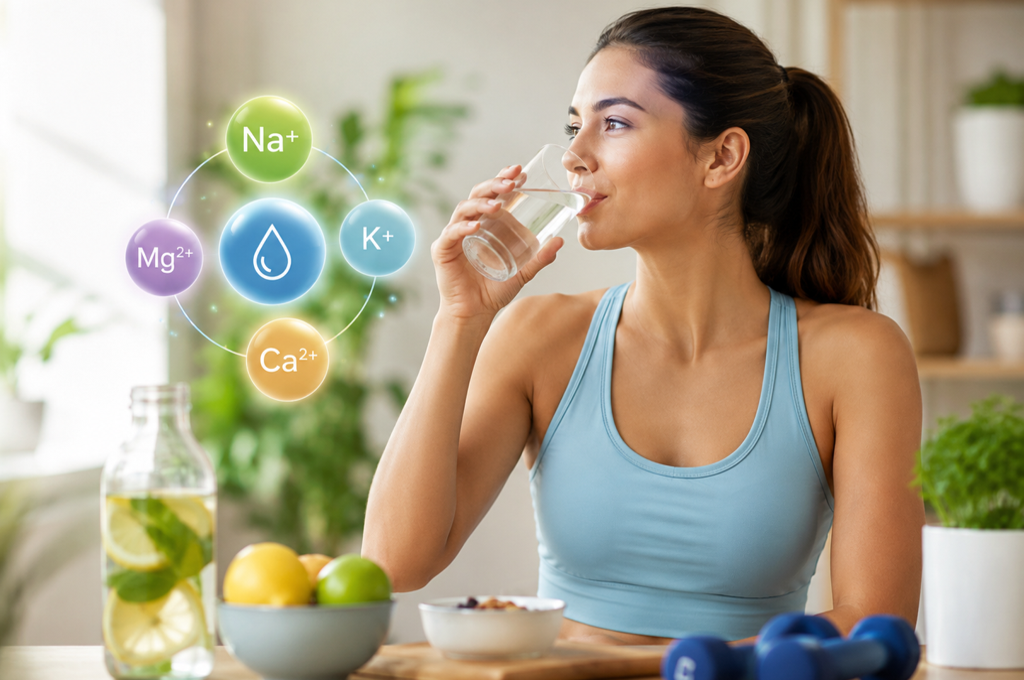
Electrolyte Balance: Fluid and Electrolyte Balance in the Human Body
Electrolyte balance is the term for the correct concentration of minerals in the blood and body fluids. Minerals are required for important cellular functions. Electrolyte balance in the human body is necessary for cell signaling, nerve impulse conduction, muscle contraction, heart rhythm, kidney function, and fluid balance. When the electrolyte balance in the human body is disturbed, it becomes very difficult for the body to maintain equilibrium in its metabolic functions.
June 12, 2026 -
IV Fluids Explained: Why the Right IV Dilution Matters More Than You Think
From hydration drips and detox IV therapy to vitamin infusions and advanced wellness medicine, IV fluids have become one of the most essential components of both modern healthcare and preventive wellness. However, many people do not realize that not all IV fluids are the same. June 03, 2026 -

Anti-Aging IV Drip Therapy Benefits and How It Works
Ageing is a natural biological process that affects every living organism over time. As humas, when we age, cellular repair slows down, hydration levels decrease, oxidative stress increases, and essential nutrient absorption becomes less efficient.
January 24, 2026