
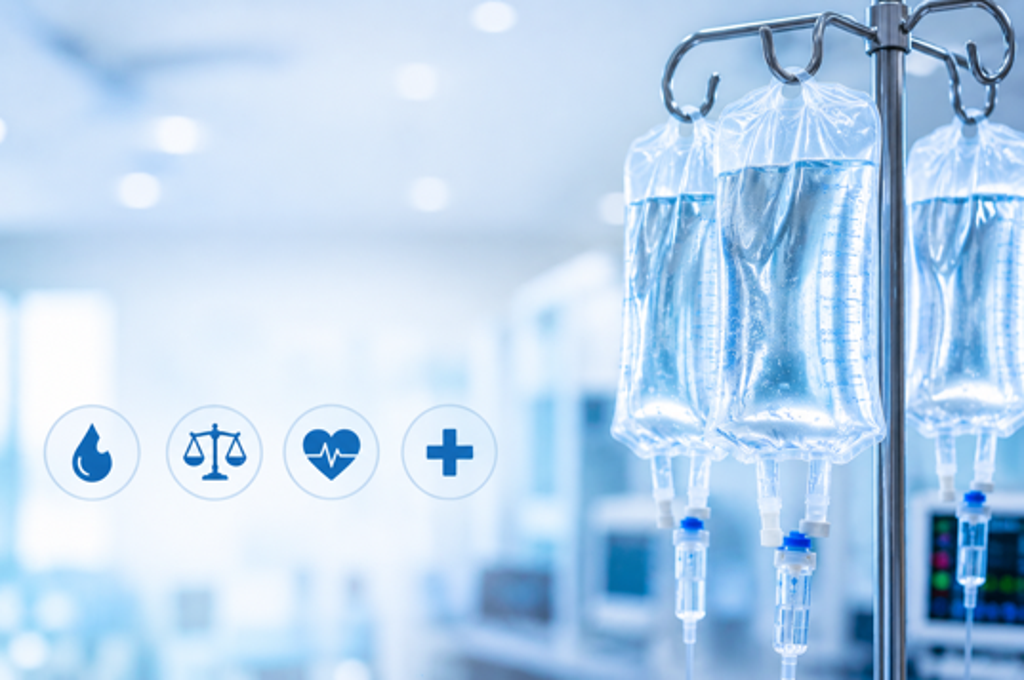
From hydration drips and detox IV therapy to vitamin infusions and advanced wellness medicine, IV fluids have become one of the most essential components of both modern healthcare and preventive wellness. However, many people do not realize that not all IV fluids are the same.
Different types of IV fluids have different osmolarities, electrolyte compositions, physiological actions, and compatibility profiles. Choosing the correct IV fluid is not simply about administering hydration; it is about selecting the safest, most compatible, and most effective carrier solution for the patient’s body, medical condition, and therapeutic objectives.
At Health Call, our physician-guided IV therapies utilize scientifically selected IV fluids, including 0.9% Normal Saline (NS), Ringer Lactate (RL), and Dextrose-based IV fluids (D5W), depending on hydration requirements, electrolyte balance, medical indications, IV compatibility, detoxification goals, and wellness objectives.
The science behind IV fluids goes far beyond hydration alone; the right IV fluid can significantly influence compatibility, absorption, electrolyte stability, patient comfort, recovery, and therapeutic outcomes.
What Are IV Fluids?
IV fluids, also known as intravenous fluids, are sterile liquid solutions administered directly into veins through intravenous therapy. IV fluids are designed to deliver specific target-oriented tasks.
- Restore hydration
- Maintain electrolyte balance
- Support blood circulation
- Deliver vitamins and nutrients
- Administer medications
- Assist detoxification
- Support recovery and wellness
- Correct dehydration
- Improve cellular hydration
Unlike conventional oral supplements, IV fluids bypass the digestive system and enter directly into circulation, allowing faster hydration and prompt nutrient absorption, which is efficient. Today, IV fluids have become increasingly popular not only in hospitals and emergency medicine but also in preventive wellness, hydration therapy, recovery medicine, detoxification, athletic performance optimization, beauty wellness, and physician- guided IV vitamin therapies worldwide.
- Hydration therapy
- IV vitamin drips
- Detox IV therapy
- Recovery IV infusions
- Medical wellness protocols
- Athletic recovery
- Heat exhaustion management
- Electrolyte imbalance correction
- Preventive wellness medicine
Understanding the different kinds of IV fluids and types of IV fluids is essential because every IV solution behaves differently inside the human body.
Types of IV Fluids
There are several types of IV fluids used in medicine and wellness therapy. Each IV fluid has different properties, electrolyte compositions, osmolarity levels, and compatibility profiles. Below are the most commonly used IV fluid types for IV therapy.
- % Normal Saline (NS)
- Ringer Lactate (RL)
- Dextrose-based IV fluids (D5W)
Each of these IV fluids serves different clinical purposes and may be selected based on physician evaluation, ingredients of the infusion, and patient requirements.
0.9% Normal Saline (NS)
0.9% normal saline remains one of the most widely used IV fluids worldwide and is considered one of the most compatible IV dilution fluids for hydration therapy, IV vitamin drips, and detox IV protocols.
Normal saline contains sodium chloride dissolved in sterile water and is classified as an isotonic IV fluid because its osmolarity closely resembles human blood plasma.
This physiological similarity is extremely important because it allows the fluid to remain relatively stable within circulation without causing major osmotic shifts.
- Physiological osmolarity compatibility
- Effective hydration support
- Stable fluid distribution
- Broad vitamin compatibility
- Common compatibility with detox drips
- Suitable carrier for IV nutrients
- Electrolyte support
- Circulatory stability
Because the osmolarity of normal saline is similar to human blood, many physicians prefer NS for more compatible IV support and minimal risks associated with dilutions.
- IV vitamin therapy
- Detox drips
- Hydration IVs
- Antioxidant infusions
- Wellness IV protocols
- Recovery drips
Many physician-guided wellness IV protocols utilize Normal Saline as the preferred dilution fluid due to its compatibility with multiple vitamins, antioxidants, amino acids, and hydration-focused therapies.
Ringer Lactate (RL)
Ringer's lactate, also known as Lactated Ringer’s solution, is another important IV fluid used in medicine. RL consists of the below components.
- Sodium
- Potassium
- Calcium
- Chloride
- Lactate
Unlike normal saline, RL has a more balanced electrolyte composition and may be preferred in selected clinical situations involving fluid and electrolyte replacement. Ringer's lactate may be administered for different reasons and purposes.
- Fluid loss correction
- Surgical recovery
- Trauma support
- Dehydration
- Electrolyte replacement
- Selected metabolic requirements
However, RL is not universally compatible with all IV additives and medications because of its calcium content and electrolyte interactions. This is why accurate selection of IV fluids remains extremely important.
Dextrose-Based IV Fluids (D5W)
Dextrose-based IV fluids contain glucose dissolved in sterile water and are commonly referred to as D5W or glucose-containing IV fluids.
These IV fluids may be selected for:
- Selected metabolic support
- Glucose supplementation
- Specific medication compatibility
- Energy support
- Specialized IV therapies
Some medications and therapeutic compounds require D5W rather than saline-based dilution due to chemical compatibility requirements.
For example:
- Methylene blue is commonly diluted in D5W instead of normal saline due to compatibility considerations.
This highlights why different kinds of IV fluids exist and why compatibility science is extremely important in IV medicine for safety and optimal results.
How to Choose the Correct IV Fluids
Choosing the correct IV fluid requires scientific medical assessment rather than simply selecting a hydration drip randomly. Different types of IV fluids distribute differently throughout the body depending on various factors.
- Osmolarity
- Electrolyte composition
- Glucose concentration
- Medication compatibility
- Patient hydration status
- Kidney function
- Cardiovascular health
- Medical history
- Wellness goals
- Treatment objectives
Improper IV fluid selection may affect negatively in many unexpected ways.
- Electrolyte balance
- Fluid distribution
- Medication stability
- Cellular hydration
- Patient tolerance
At Healthcall, every IV therapy protocol is physician-guided and individually assessed to ensure appropriate IV fluid compatibility, safety, and therapeutic effectiveness.
How Physicians Recommend the Best IV Fluids
Physicians and IV specialists determine the best IV fluids using clinical evaluation, laboratory interpretation, and compatibility science depending on multiple factors. And choosing the IV fluids makes the whole difference.
- Vital signs
- Dehydration symptoms
- Blood investigations
- Electrolyte balance
- Kidney function
- Liver profile
- Hydration status
- Wellness goals
- Medication compatibility
- Nutritional deficiencies
For example:
- A hydration and vitamin drip may commonly utilize normal saline.
- Certain electrolyte-focused requirements may utilize RL
- Methylene Blue therapy may require D5W dilution compatibility
The choice of IV fluid directly influences how vitamins, medications, antioxidants, and therapeutic compounds behave inside the body.
Why 0.9% Normal Saline Is One of the Most Compatible IV Fluids
Among all types of IV fluids, 0.9% normal saline remains one of the most commonly preferred IV dilution solutions for wellness medicine, IV vitamin drips, and detox therapy.
The key reason is osmolarity compatibility.
Because NS closely resembles human blood plasma osmolarity, it generally supports metabolic and physiological functions.
- Better physiological tolerance
- Stable hydration correction
- Reduced osmotic stress
- Broad IV ingredient compatibility
- Effective circulation support
- Safer fluid distribution
Our most common IV ingredients are as listed below
- Vitamin C
- Magnesium
- Zinc
- Glutathione
- B-complex vitamins
- Amino acids
- Taurine
- Antioxidants
- L-Carnitine
However, the final IV fluid selection always depends on medical assessment, compatibility science, patient tolerance, and treatment objectives.
Why Are Customized IV Drips Preferred Over Premixed IV Drips?
Customized IV fluids are increasingly preferred over premixed IV drips because they allow medical professionals to prepare fresher, more individualized formulations with carefully selected ingredients, concentrations, and compatible dilution fluids tailored to each patient’s clinical requirements and wellness goals.
Unlike many premixed IV drips that may contain standardized formulations, stabilizers, or preservatives to prolong shelf life and maintain pre-prepared storage stability, customized IV fluids are often prepared closer to the administration time with greater flexibility in ingredient selection and dilution compatibility.
This personalized approach allows medical professionals to select the most suitable carrier fluid, such as 0.9% normal saline, Ringer lactate, or D5W, depending on osmolarity, electrolyte balance, hydration requirements, and ingredient compatibility. Customized IV formulations may also help minimize unnecessary additives while allowing more precise control over vitamin concentrations, antioxidants, amino acids, and therapeutic wellness ingredients.
At Healthcall, quality is our priority. Our physician-guided IV therapies are individually prepared using compatibility-focused and wellness-oriented approaches to ensure every IV protocol is tailored according to the patient’s hydration status, laboratory findings, recovery needs, and physiological requirements.
Summary
Understanding the different kinds of IV fluids and their compatibility profiles is one of the most important yet overlooked aspects of safe and effective IV therapy. While many people simply see an IV drip as “fluids running through a line,” the science behind IV fluids is far more advanced and medically significant than most realize.
Different types of IV fluids behave differently inside the human body. Their osmolarity, electrolyte composition, glucose concentration, and compatibility with vitamins, antioxidants, medications, and wellness ingredients can directly influence hydration levels, cellular absorption, electrolyte balance, circulation, recovery speed, and overall therapeutic effectiveness. This is exactly why medically guided IV therapy matters.
Among the most commonly used IV fluids, 0.9% normal saline remains one of the most versatile and physiologically compatible solutions because its osmolarity closely resembles human blood plasma. This makes Normal Saline one of the most preferred IV dilution fluids for hydration drips, IV vitamin therapy, detox IV drips, recovery infusions, antioxidant therapies, and wellness-focused IV protocols. However, not every IV therapy requires the same dilution fluid.Solutions such as Ringer Lactate (RL) and D5W also play highly important roles in selected medical conditions, electrolyte correction, metabolic support, medication compatibility, and advanced IV therapies.Ringer Lactate may be preferred in selected fluid and electrolyte replacement situations, while D5W is commonly used for certain medication dilutions such as Methylene Blue due to compatibility considerations.
At Healthcall, our expert-guided IV therapies combine evidence-based medicine, compatibility science, advanced wellness principles, hydration medicine, and individualized patient assessments to ensure every IV protocol is selected carefully, professionally, and according to the body’s unique physiological requirements.
Because in modern wellness medicine, the IV fluid itself is never “just a carrier solution.”
It is the scientific foundation of the entire IV therapy experience, affecting hydration, detoxification, electrolyte stability, nutrient delivery, compatibility, circulation, recovery, wellness outcomes, and the body’s ability to respond safely and effectively to advanced IV treatments.
Recent Posts
-

Which Doctor Should You See for an STD? A Complete Guide to Confidential STD Testing in Dubai
Talking about sexual health isn't always easy, but getting the right medical advice should be. If you've noticed unusual symptoms, recently had unprotected sex, or simply want peace of mind, you may be wondering, "Which doctor should I see for an STD?”
August 17, 2026 -

How to Know If You’re Dehydrated: Signs You Shouldn’t Ignore
Dehydration occurs when the amount of fluid lost by the body exceeds the amount of fluid consumed. The body relies on water to carry out all its functions, including circulating blood, regulating body temperature, supporting the digestive process, and enabling the organs to function at their optimal levels. When the body loses too much fluid, it will not be able to perform at a healthy level, which can lead to mild initial discomfort and serious damage to the functioning of the body's organs and the recovery process over the time if being neglected.
June 17, 2026 -
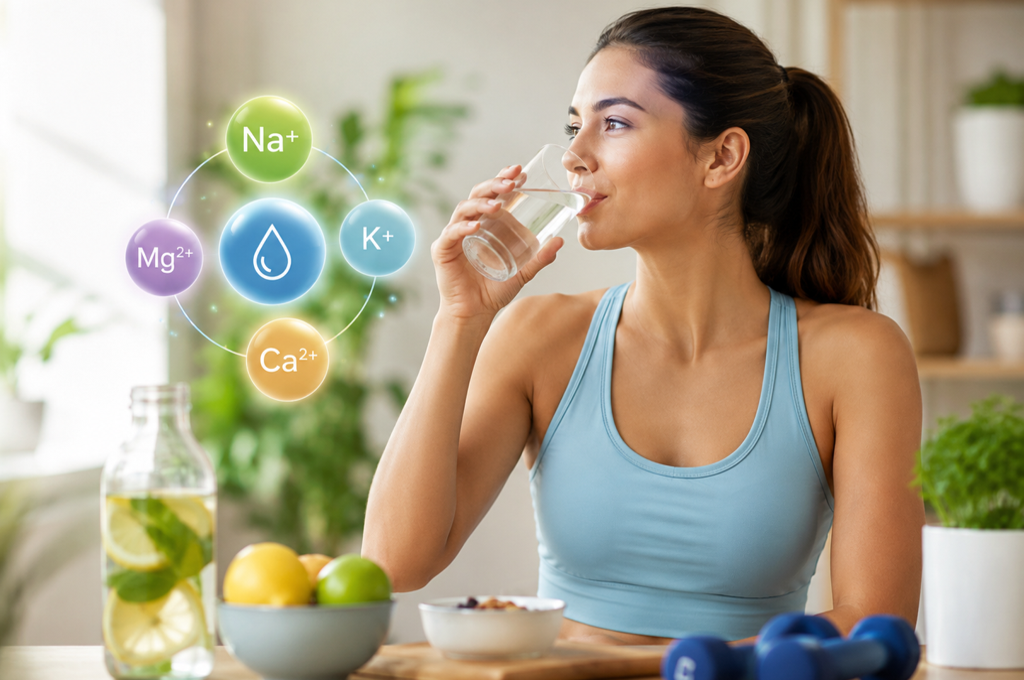
Electrolyte Balance: Fluid and Electrolyte Balance in the Human Body
Electrolyte balance is the term for the correct concentration of minerals in the blood and body fluids. Minerals are required for important cellular functions. Electrolyte balance in the human body is necessary for cell signaling, nerve impulse conduction, muscle contraction, heart rhythm, kidney function, and fluid balance. When the electrolyte balance in the human body is disturbed, it becomes very difficult for the body to maintain equilibrium in its metabolic functions.
June 12, 2026 -
IV Fluids Explained: Why the Right IV Dilution Matters More Than You Think
From hydration drips and detox IV therapy to vitamin infusions and advanced wellness medicine, IV fluids have become one of the most essential components of both modern healthcare and preventive wellness. However, many people do not realize that not all IV fluids are the same. June 03, 2026 -

Anti-Aging IV Drip Therapy Benefits and How It Works
Ageing is a natural biological process that affects every living organism over time. As humas, when we age, cellular repair slows down, hydration levels decrease, oxidative stress increases, and essential nutrient absorption becomes less efficient.
January 24, 2026