
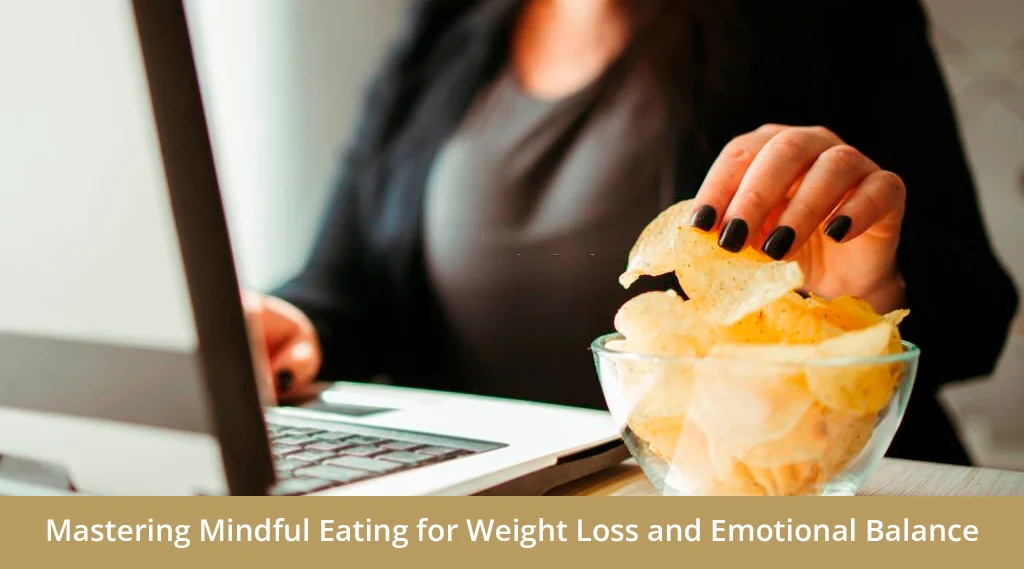
Are you eating beyond your hunger?
Sometimes the diet may not be all that matters when you are trying to lose weight. You might have to pay attention to other factors that can make a very big difference to achieve the results you look for.
For example, what do you do while eating? This is a question whose answer could be very simple, but for many people the most frequent answers are more like:
- "I check social media."
- "I watch TV or Netflix."
- "I pay bills on internet banking."
- "I keep working or studying in front of the computer."
- "I drive to work or wherever." (!!)
- "I feed my young children." And so on...
It's okay to want to optimize time amid the many tasks we have with our increasingly busy routines. The problem is choosing precisely the timing of meals for this. It may seem like an innocent and even clever act (after all, every minute gained is worth a lot!), but the truth is that there are several risks associated with mindless eating.
When we don't dedicate our attention to the act of eating, it takes us longer to identify the signs of satiety, which easily contributes to us eating more than necessary. We don't appreciate the flavor properly, and many times we don't even assemble the plate consciously, putting portions that aren't really consistent with our hunger or foods that don't nourish us or give us much pleasure.
It is important to always eat slowly and chew food very well and remember that our stomachs have no teeth, which is why chewing is so important. Digestion begins in the mouth, as poorly chewed food becomes more difficult to digest. It's important to eat slowly so your satiety hormones have time to communicate.
I'll give you an example if you've already eaten a good part of your plate and for some reason you have to stop eating because the company rings and you have to answer someone, when you come back the hunger is no longer the same. This happens because your hunger and satiety hormones take time to communicate.
You can use the hunger and satiety scale to reflect on your hunger before each meal and after eating to assess satiety. The ideal is to eat at 1 and stop at 5.
10. Absolutely stuffed
9. So full it hurts
8. Very full and swollen
7. Starting to feel uncomfortable
6. Ate a little too much
5. Satisfied and comfortable
4. Starting to get hungry
3. With strong signs of hunger
2. Very hungry
1. Hungry
O. Lion's hunger
In addition to improving digestive processes, eating mindfully is a way to balance emotions. Healthy eating does not depend only on the quality of food, but also on the behaviors we adopt in relation to it. It's important to remember that these tips don't replace an appointment with a qualified and experienced nutritionist.
Recent Posts
-

Which Doctor Should You See for an STD? A Complete Guide to Confidential STD Testing in Dubai
Talking about sexual health isn't always easy, but getting the right medical advice should be. If you've noticed unusual symptoms, recently had unprotected sex, or simply want peace of mind, you may be wondering, "Which doctor should I see for an STD?”
August 17, 2026 -

How to Know If You’re Dehydrated: Signs You Shouldn’t Ignore
Dehydration occurs when the amount of fluid lost by the body exceeds the amount of fluid consumed. The body relies on water to carry out all its functions, including circulating blood, regulating body temperature, supporting the digestive process, and enabling the organs to function at their optimal levels. When the body loses too much fluid, it will not be able to perform at a healthy level, which can lead to mild initial discomfort and serious damage to the functioning of the body's organs and the recovery process over the time if being neglected.
June 17, 2026 -
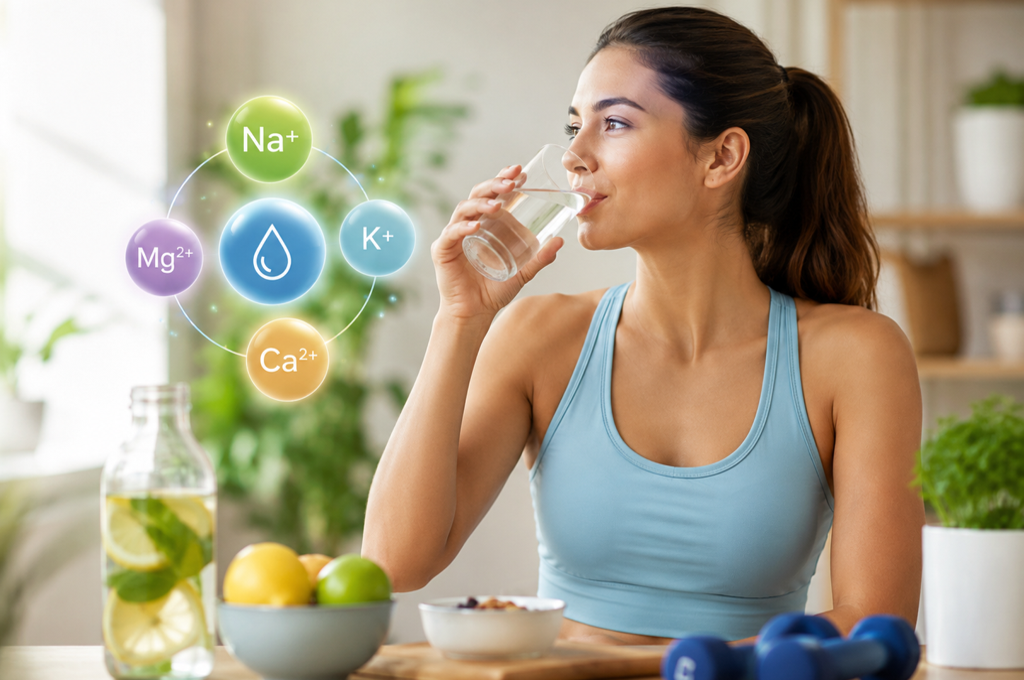
Electrolyte Balance: Fluid and Electrolyte Balance in the Human Body
Electrolyte balance is the term for the correct concentration of minerals in the blood and body fluids. Minerals are required for important cellular functions. Electrolyte balance in the human body is necessary for cell signaling, nerve impulse conduction, muscle contraction, heart rhythm, kidney function, and fluid balance. When the electrolyte balance in the human body is disturbed, it becomes very difficult for the body to maintain equilibrium in its metabolic functions.
June 12, 2026 -
IV Fluids Explained: Why the Right IV Dilution Matters More Than You Think
From hydration drips and detox IV therapy to vitamin infusions and advanced wellness medicine, IV fluids have become one of the most essential components of both modern healthcare and preventive wellness. However, many people do not realize that not all IV fluids are the same. June 03, 2026 -

Anti-Aging IV Drip Therapy Benefits and How It Works
Ageing is a natural biological process that affects every living organism over time. As humas, when we age, cellular repair slows down, hydration levels decrease, oxidative stress increases, and essential nutrient absorption becomes less efficient.
January 24, 2026