
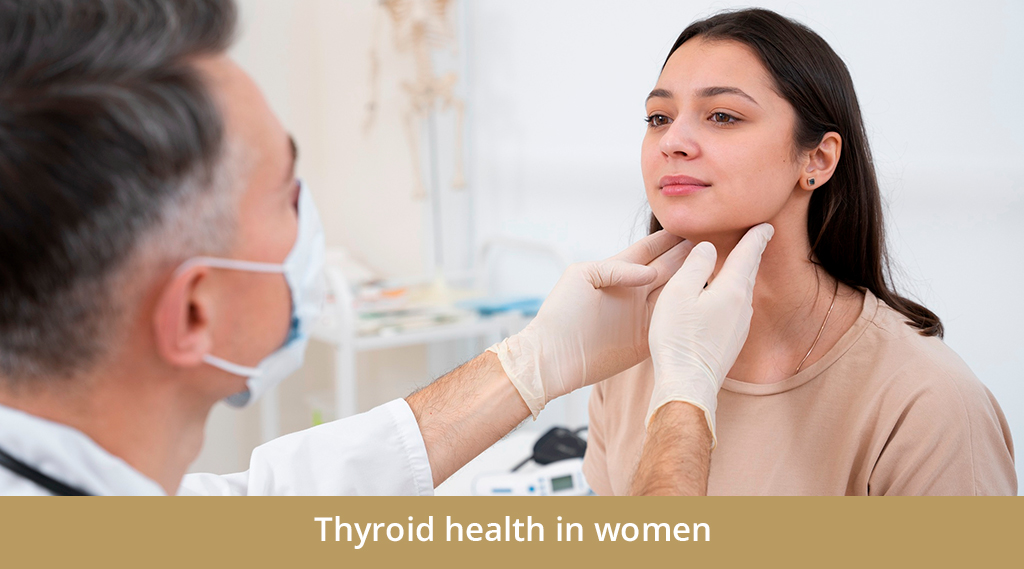
Located in the neck, below the windpipe the thyroid is the gland that produces the hormones T3 (triiodothyronine) and T4 (thyroxine), which regulate a number of important activities in our body. Thyroid hormones have essential functions in the growth and development of the body, cell multiplication, heart rate, calorie burning and thermogenesis, which is the regulation of internal temperature. They also act on the reproductive system, which makes their good performance fundamental in women's health at different stages of life
In summary thyroid is important for weight loss, menstruation, fertility, intestines and heart. When your thyroid lacks nutrients it will not work well. Your thyroid is responsible for converting T4 to T3 in order for it to function correctly and there are vitamins and minerals that are important for this conversion to happen so your body can work well.
These nutrients are:
-Vitamin D
-Tyrosine
-Magnesium
-Zinc
-Selenium
-Iron
The lack of these nutrients interferes a lot with how your metabolism works and your day-to-day energy. Many women with hypothyroidism who take T4 orally spend their lives increasing the dosage of medication and still feel like they are lacking the hormone, they are still extremely tired, indisposed, with a lazy intestine, with depressive symptoms.. Even if you have the hormones but you do not have nutrients to convert them into the active form they will remain there but inactive causing your body to not work well.
How to treat hypothyroidism
- It is also very important to have a balanced diet filled with nutrients as well as supplement when needed (IV may be suitable)
- Balance your routine sleep well, drink tea and relax
- Take care of your intestine and liver: it is essential for good immunity, unblock the metabolism and have more energy
- Take care of yourself emotionally; stress will affect the health of your thyroid
- Seek help of a professional
Recent Posts
-

Which Doctor Should You See for an STD? A Complete Guide to Confidential STD Testing in Dubai
Talking about sexual health isn't always easy, but getting the right medical advice should be. If you've noticed unusual symptoms, recently had unprotected sex, or simply want peace of mind, you may be wondering, "Which doctor should I see for an STD?”
August 17, 2026 -

How to Know If You’re Dehydrated: Signs You Shouldn’t Ignore
Dehydration occurs when the amount of fluid lost by the body exceeds the amount of fluid consumed. The body relies on water to carry out all its functions, including circulating blood, regulating body temperature, supporting the digestive process, and enabling the organs to function at their optimal levels. When the body loses too much fluid, it will not be able to perform at a healthy level, which can lead to mild initial discomfort and serious damage to the functioning of the body's organs and the recovery process over the time if being neglected.
June 17, 2026 -
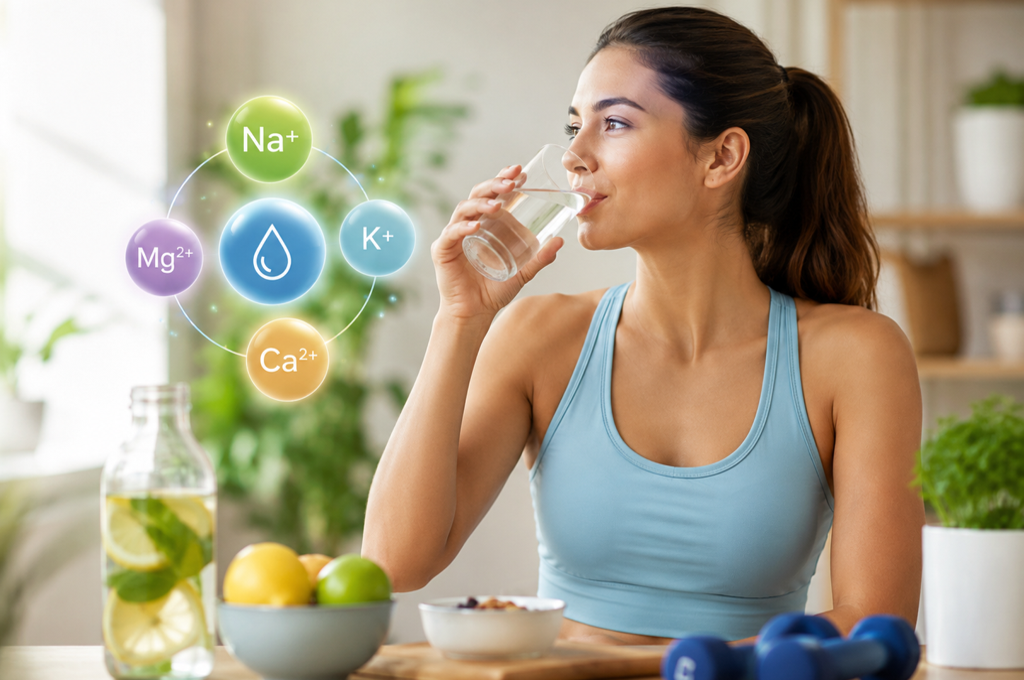
Electrolyte Balance: Fluid and Electrolyte Balance in the Human Body
Electrolyte balance is the term for the correct concentration of minerals in the blood and body fluids. Minerals are required for important cellular functions. Electrolyte balance in the human body is necessary for cell signaling, nerve impulse conduction, muscle contraction, heart rhythm, kidney function, and fluid balance. When the electrolyte balance in the human body is disturbed, it becomes very difficult for the body to maintain equilibrium in its metabolic functions.
June 12, 2026 -
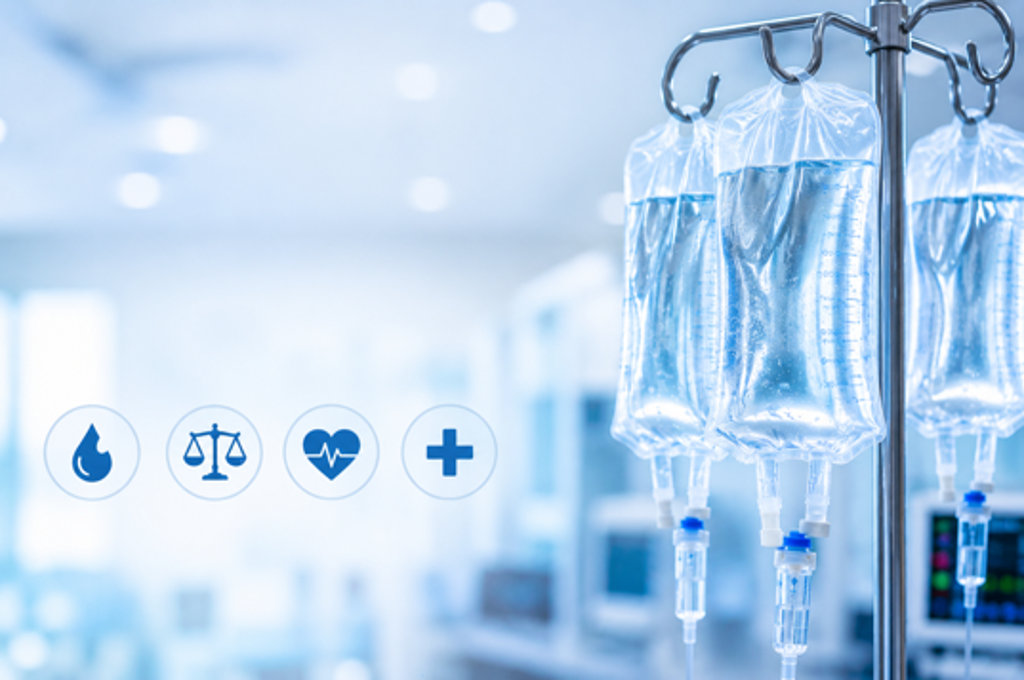
IV Fluids Explained: Why the Right IV Dilution Matters More Than You Think
From hydration drips and detox IV therapy to vitamin infusions and advanced wellness medicine, IV fluids have become one of the most essential components of both modern healthcare and preventive wellness. However, many people do not realize that not all IV fluids are the same. June 03, 2026 -
Anti-Aging IV Drip Therapy Benefits and How It Works
Ageing is a natural biological process that affects every living organism over time. As humas, when we age, cellular repair slows down, hydration levels decrease, oxidative stress increases, and essential nutrient absorption becomes less efficient.
January 24, 2026