
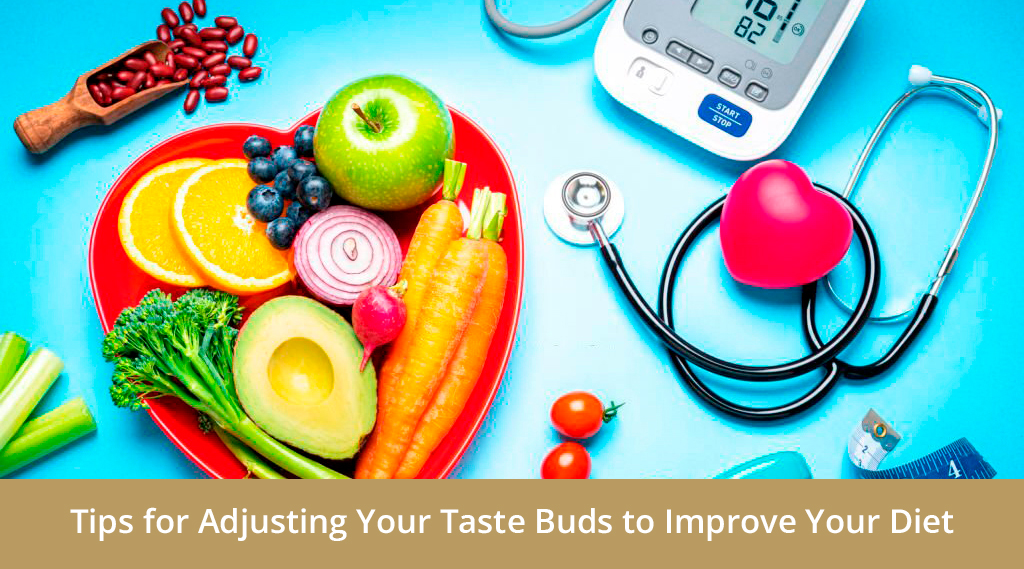
We renew our taste buds every 7 - 14 days. Some people like bitter foods more and others prefer more sweet tasting foods and this can also have a genetic background. However, when we consume industrialized products that are very palatable rich in sugars, fats and sodium, the palate adapts to these intense flavors.
It is very common to hear phrases such as “I hate salad and vegetables!” “I hate eating fruit”. But the fact is that if healthy foods don’t please your palate, it may be harmful to the body and the mind resulting in obesity and illnesses. This is where re-educating your taste buds comes into play: you can become the person who loves salads and swaps a high-calorie dessert for fruit.
Keep in mind it is not that vegetables and salads are tasteless, probably your taste buds are addicted to intense flavors so you don't taste them properly.
Let’s start from the beginning. How do your taste buds get formed?
You were still in your mother's belly, but your sense of taste was already working: studies show that this sense begins to form from the 12th to the 14th week. But
not everything happens only in the mother's belly: a child's taste is formed until the age of three, on average. That's why it's so important for parents to offer varied and healthy foods to their children and avoid processed foods. The better their diet is, the less they'll frown on fruits, vegetables and salads and the likes in the future will lead to balanced food choices preventing them from being addicted to very high palatable tastes often rich in fat, sodium and sugar in their adult life. Research indicates that you have to try eight to 10 times for a food to become natural in children's routine. However, even if this food falls to a person's taste and habit, the palate ends up changing and we renew our taste buds every 7 to 14 days and this you will understand below.
What factors make your taste buds change over time?
Stop liking or starting to like a food goes beyond a matter of taste. The relationship has to do with habit, age, culture, memories and even education. In addition to the fact that taste buds are vulnerable, you can kill them by biting your tongue or drinking a very hot drink. But do not despair: they are born again. These eating habits of industrialized foods with excess sodium, fat and sugar are addictive and can alter brain chemistry, causing compulsion for this type of food. The more you eat fat and sugar, the more you want to eat.
Here are some tips:
-Avoid processed foods in general.
-Avoid excess salt.
-Avoid sugar. A good starting point is not to drink coffee or tea with sugar.
-Avoid ready-made seasonings. Use natural seasonings like garlic, onion, basil, oregano, rosemary... They give the preparations a great flavor as well as being a great antioxidant!
- Preparing the same food you said you don't like but in different ways.
- Consume citrus fruits. Lemon is great for modulating taste buds especially when you crave sweets.
Recent Posts
-

Which Doctor Should You See for an STD? A Complete Guide to Confidential STD Testing in Dubai
Talking about sexual health isn't always easy, but getting the right medical advice should be. If you've noticed unusual symptoms, recently had unprotected sex, or simply want peace of mind, you may be wondering, "Which doctor should I see for an STD?”
August 17, 2026 -

How to Know If You’re Dehydrated: Signs You Shouldn’t Ignore
Dehydration occurs when the amount of fluid lost by the body exceeds the amount of fluid consumed. The body relies on water to carry out all its functions, including circulating blood, regulating body temperature, supporting the digestive process, and enabling the organs to function at their optimal levels. When the body loses too much fluid, it will not be able to perform at a healthy level, which can lead to mild initial discomfort and serious damage to the functioning of the body's organs and the recovery process over the time if being neglected.
June 17, 2026 -
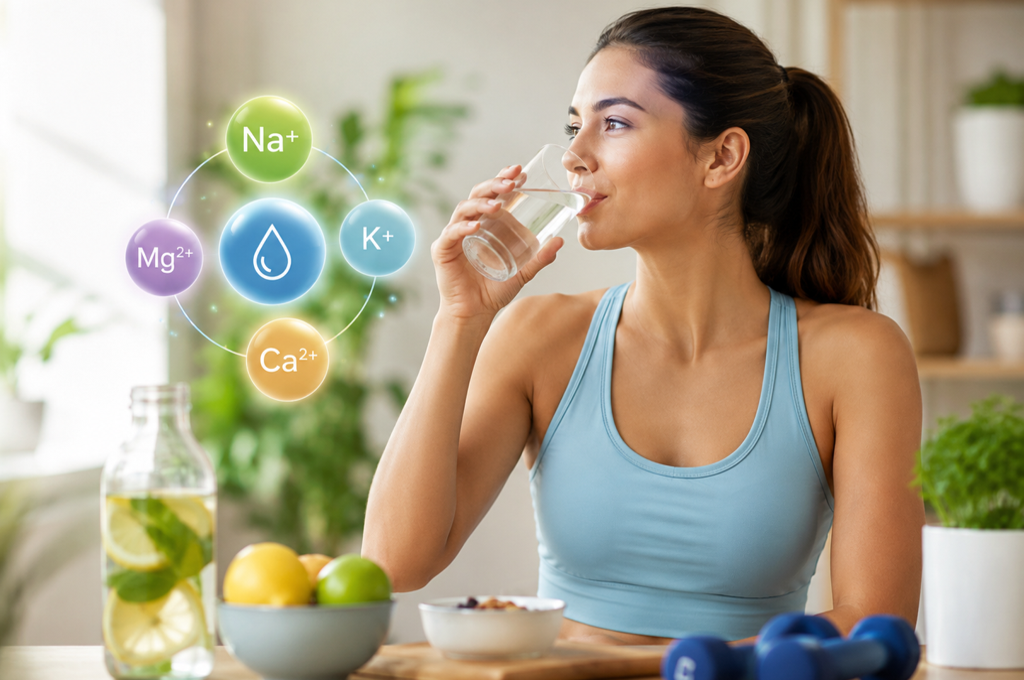
Electrolyte Balance: Fluid and Electrolyte Balance in the Human Body
Electrolyte balance is the term for the correct concentration of minerals in the blood and body fluids. Minerals are required for important cellular functions. Electrolyte balance in the human body is necessary for cell signaling, nerve impulse conduction, muscle contraction, heart rhythm, kidney function, and fluid balance. When the electrolyte balance in the human body is disturbed, it becomes very difficult for the body to maintain equilibrium in its metabolic functions.
June 12, 2026 -
IV Fluids Explained: Why the Right IV Dilution Matters More Than You Think
From hydration drips and detox IV therapy to vitamin infusions and advanced wellness medicine, IV fluids have become one of the most essential components of both modern healthcare and preventive wellness. However, many people do not realize that not all IV fluids are the same. June 03, 2026 -

Anti-Aging IV Drip Therapy Benefits and How It Works
Ageing is a natural biological process that affects every living organism over time. As humas, when we age, cellular repair slows down, hydration levels decrease, oxidative stress increases, and essential nutrient absorption becomes less efficient.
January 24, 2026